This Quiet North Carolina Town Still Has Homes Under $150,000 and Moving There Might Actually Make Sense
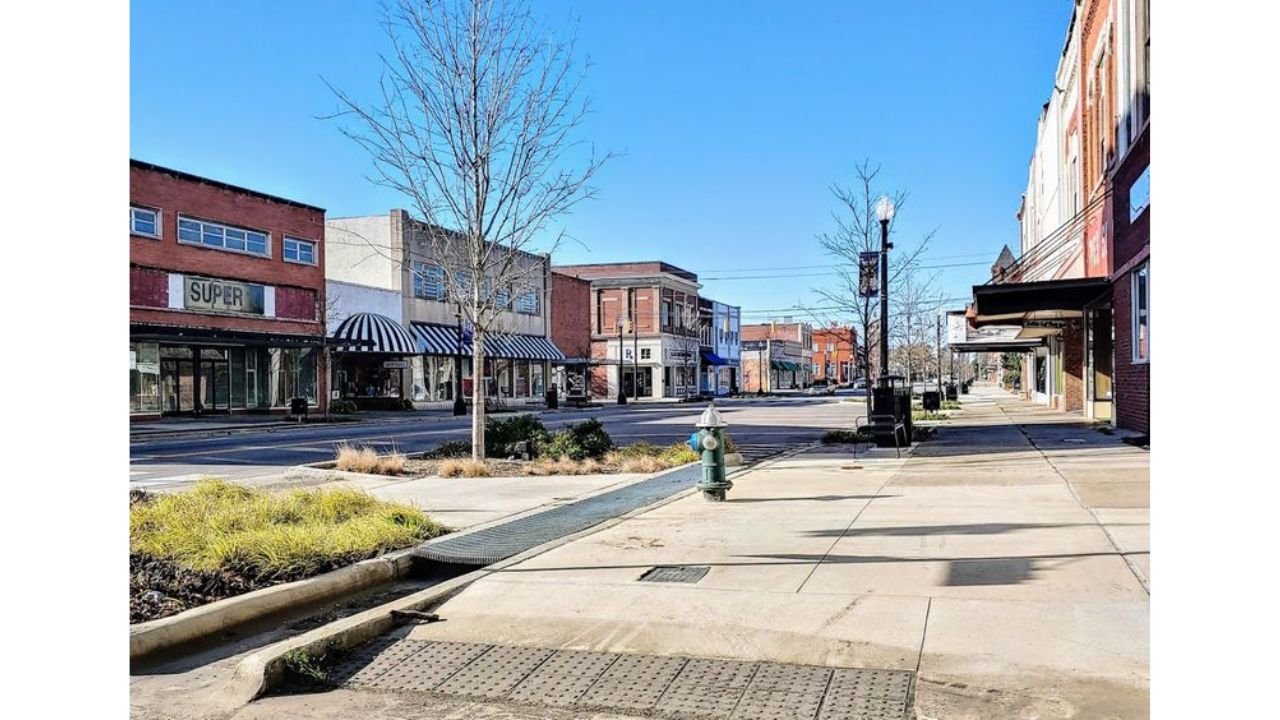
Home prices across the country have climbed to a point where many buyers feel like they need a lottery win just to get started. Yet tucked away in eastern North Carolina, one small town is quietly proving that real, livable homeownership under $150,000 is still possible if you know where to look. That town is Kinston, and the numbers there are turning heads among people who have given up on bigger metro markets.
A Different Kind of Starting Line
Walk through listings in Raleigh, Charlotte, or Asheville and it can feel like every home is priced for someone with a six-figure down payment sitting around. Kinston flips that script. Active listings still show bungalows, modest ranches, and older single-family homes priced well under $150,000, giving budget-conscious buyers an actual shot at ownership instead of years of waiting on the sidelines.
That does not mean every cheap listing is a steal. Many of these homes are older and may need work on:
- Roofing and HVAC systems
- Electrical wiring
- Plumbing and insulation
- Cosmetic updates
A careful inspection matters more here than the price tag does. But for buyers willing to put in that homework, Kinston offers something increasingly rare: a realistic entry point into homeownership.
Why Eastern North Carolina Stays Cheaper
Kinston’s affordability is not an accident. It comes down to geography. The town sits far enough from the state’s booming job corridors, university hubs, and tech growth zones near Raleigh, Durham, Charlotte, and Wilmington that it has largely avoided the bidding wars and overheated demand driving prices up elsewhere in the state.
That distance is exactly what keeps the math working for everyday buyers. Of course, a lower mortgage does not automatically mean a lower total cost of living. Smart buyers still factor in:
- Property taxes and insurance
- Utility costs
- Commuting distance to larger job centers
- Older home maintenance expenses
What First-Time Buyers Actually Gain Here
The real advantage of Kinston’s pricing shows up most clearly for first-time buyers. A conventional loan with a 5% down payment on a $120,000 home comes out to roughly $6,000, compared to $30,000 or more in high-cost metros. That single difference is often what separates someone who keeps renting from someone who finally builds equity.
On top of that, several North Carolina state and local assistance programs specifically target first-time buyers with grants and low-interest loan options, stacking even more savings on top of an already affordable market.
There Is More to Kinston Than the Price Tag
A cheap home means little if the town around it has nothing going on, and that is where Kinston quietly surprises people. Queen Street downtown has seen real revitalization in recent years, with restaurants, murals, small businesses, and historic buildings giving the area genuine character rather than a polished, corporate feel.
History buffs will find the CSS Neuse State Historic Site at 100 North Queen Street, home to the preserved remains of a Confederate ironclad gunboat that connects visitors directly to the region’s Civil War past.
The town has also built a reputation for farm-to-table dining, driven by chefs who chose to put down roots in Kinston rather than chase bigger city spotlights. Add in a small but active arts scene and regular food festivals, and Kinston offers more cultural texture than its quiet reputation suggests.
Living Near the Neuse River
One of Kinston’s standout features is its location along the Neuse River, which adds scenic open space, walking paths, fishing access, and a slower outdoor pace without requiring residents to drive anywhere for it.
That benefit comes with a serious caveat. Eastern North Carolina has a documented history of significant flooding, so anyone considering a home near the river should carefully review flood maps, elevation data, drainage patterns, and insurance costs before making an offer.
The Honest Trade-Offs Buyers Should Know
No affordability story is complete without acknowledging why prices stay low in the first place. Kinston’s economy was historically anchored by tobacco farming and textile manufacturing, industries that have declined significantly over the decades and left visible economic scars in parts of town.
Buyers considering a move should be aware that:
- Unemployment has historically run above the state average
- Specialty healthcare and major retail often require a drive to nearby Greenville or Goldsboro
- School performance varies by neighborhood and is worth researching closely before committing to an area
None of this disqualifies Kinston as a smart move. It simply means buyers should go in with their eyes open rather than chasing a low number without understanding what comes with it.
Who Kinston Actually Makes Sense For
Kinston is not the right fit for everyone. It tends to work best for remote workers, retirees, buyers already familiar with the local job market, and renovation-minded first-time buyers who are comfortable doing their homework on a property before committing.
For those buyers, Kinston offers something that has become increasingly hard to find anywhere in North Carolina: a genuine, honest shot at owning a home without needing six figures sitting in the bank first.
Want more trending stories and the news everyone’s talking about? Visit Bktoday.org for daily updates and never miss a story that has the internet buzzing.